
What to Expect During Bone Graft Surgery
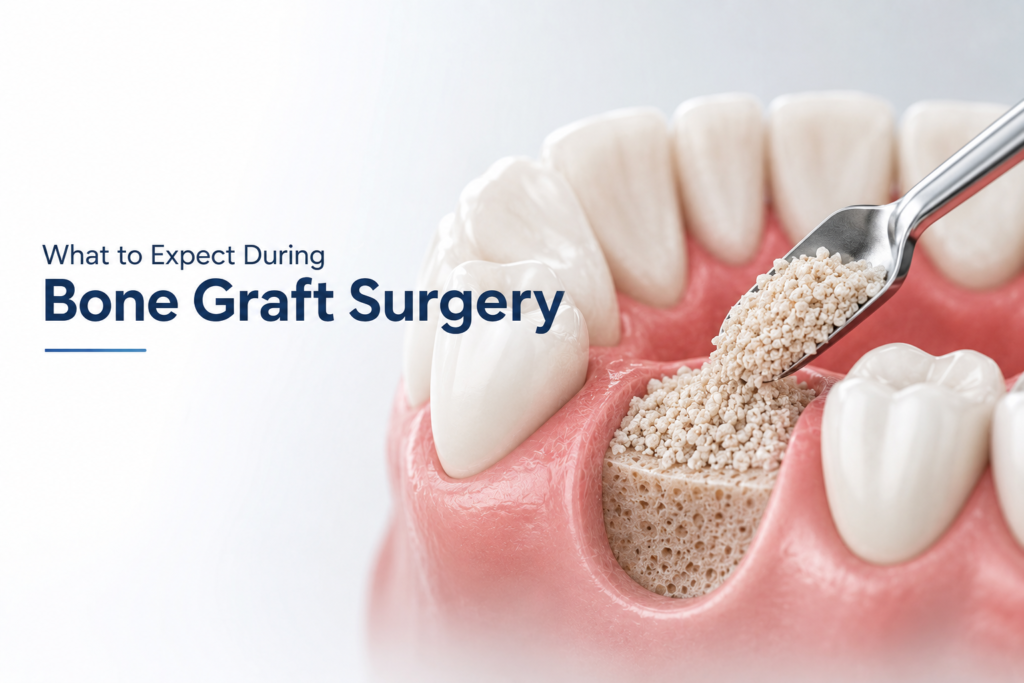
If you’ve been told that you need a bone graft before receiving a dental implant, you may be wondering what the procedure involves and what recovery looks like. At Saxira Oral Surgery in Clinton, MD, we understand that undergoing any surgical procedure can feel overwhelming. Knowing what to expect can help you feel confident and prepared.
What Is a Bone Graft?
A dental bone graft is a procedure used to rebuild or strengthen the jawbone when there is not enough healthy bone to support a dental implant. Bone loss can occur for several reasons, including:
* Missing teeth
* Periodontal (gum) disease
* Trauma or injury
* Tooth extraction
* Natural bone resorption over time
Bone grafting creates a solid foundation for future dental implants and helps maintain the natural shape of your jaw and facial structure.
Why Might You Need a Bone Graft?
Not every patient requires a bone graft before implant placement. However, if imaging shows insufficient bone density or volume, a graft may be recommended to improve the long-term success of your dental implant.
At Saxira Oral Surgery, we use advanced 3D imaging technology to evaluate your jawbone and determine the most appropriate treatment plan.
What Happens During Bone Graft Surgery?
1. Consultation and Treatment Planning
Your journey begins with a comprehensive examination and digital imaging. Our oral surgeon will assess your bone structure, discuss your goals, and explain your treatment options.
2. Anesthesia and Comfort Measures
On the day of your procedure, the treatment area will be thoroughly numbed using local anesthesia. Depending on your needs and preferences, sedation options may also be available to ensure a comfortable experience.
3. Placement of the Bone Graft
The grafting material is carefully placed into the area where additional bone is needed. The material may come from:
* Your own bone
* Donor bone
* Synthetic bone graft material
* Biocompatible bone substitutes
A protective membrane may be placed over the graft to support healing and bone regeneration.
4. Closure of the Site
Once the graft is positioned, the area is closed with sutures. The procedure is typically completed in a single visit, and most patients return home the same day.
What Is Recovery Like?
Recovery from bone graft surgery is generally straightforward. You may experience:
* Mild swelling
* Minor discomfort
* Slight bruising
* Temporary sensitivity near the treatment area
These symptoms usually improve within a few days and can often be managed with prescribed or over-the-counter medications.
To promote proper healing, we recommend:
* Following all post-operative instructions
* Eating soft foods
* Avoiding smoking or tobacco products
* Maintaining excellent oral hygiene
* Attending follow-up appointments
How Long Does a Bone Graft Take to Heal?
Healing times vary depending on the size and location of the graft. In many cases, the bone integrates with your natural jawbone over a period of 3 to 6 months.
Once healing is complete, the area can provide the strong foundation necessary for successful dental implant placement.
Benefits of Bone Grafting
Bone grafting offers several important benefits:
* Restores lost bone volume
* Improves eligibility for dental implants
* Enhances implant stability and longevity
* Helps preserve facial appearance
* Supports long-term oral health
Trust Saxira Oral Surgery for Bone Grafting in Clinton, MD
At Saxira Oral Surgery, we are committed to providing advanced surgical care in a comfortable and patient-focused environment. Whether you’re considering dental implants or have been told you need a bone graft, our experienced team is here to guide you every step of the way.
If you have questions about bone graft surgery or would like to schedule a consultation, contact Saxira Oral Surgery in Clinton, Maryland today.
Ready to learn if bone grafting is right for you?
Book your personalized consultation today.
Designed around patient comfort and surgical excellence, our practice delivers refined care with results you can trust.